

I am a returning customer
If you already have an account with us, please login at the login form.
Congratulations! Your new account has been successfully created!
You can now take advantage of member privileges to enhance your online shopping experience with us.
If you have ANY questions about the operation of this online shop, please e-mail the store owner.
A confirmation has been sent to the provided e-mail address. If you have not received it within the hour, please contact us.
You have been logged off your account. It is now safe to leave the computer.
Your shopping cart has been saved, the items inside it will be restored whenever you log back into your account.
Mastering Outdoor Fabric Care: Essential Tips for Maintenance and Longevity
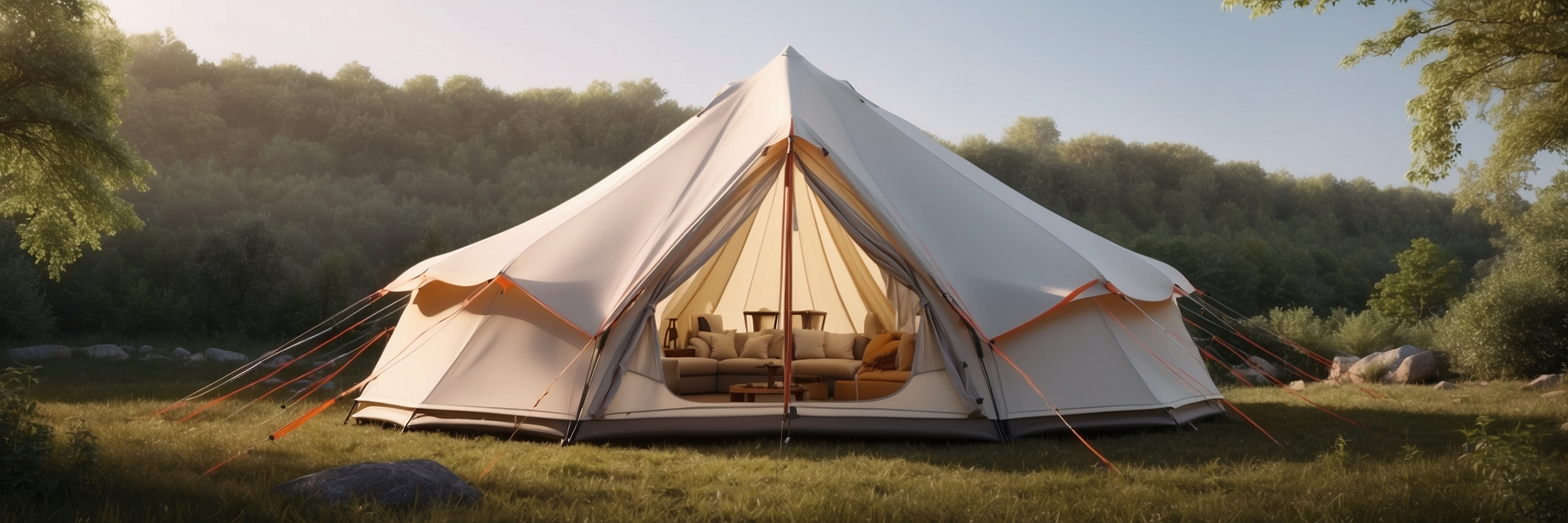
Understanding Outdoor Fabrics: Durability and Care
Outdoor fabrics, such as those used in tents, awnings, and covers, are designed for durability and resistance to the elements. These materials, ranging from natural cotton canvases to advanced synthetic fibers, are treated to withstand water, UV rays, and abrasion. However, proper care is vital to maintain their integrity and extend their lifespan.
Understanding Fabric Weaves and Materials
Different outdoor fabrics, from Cotton Canvas to Polyester, each have unique characteristics and care needs. Cotton Canvas is known for its breathability and durability but requires careful waterproofing. Synthetic fabrics like Polyester and Acrylic offer inherent water resistance but benefit from additional protective treatments to maintain their integrity over time.
Best Practices for Outdoor Gear Maintenance
Regular care is crucial for preserving the quality of your outdoor gear. Here are some best practices:
- Regular Inspections: Check for any damage or wear before and after use. Prompt repairs prevent minor issues from worsening.
- UV Protection: While most outdoor fabrics are UV resistant, minimizing prolonged exposure to direct sunlight helps prevent fading and material degradation.
- Avoiding Mold and Mildew: Store gear only when completely dry. Damp conditions can lead to mold and mildew growth, damaging the fabric.
- Proper Storage: Store in a cool, dry place, ideally in a breathable storage bag to avoid moisture buildup.
Dealing with Tough Stains on Outdoor Fabrics
Outdoor fabrics often encounter tough stains like tree sap, bird droppings, and grease. Addressing these stains requires prompt and appropriate treatment. For oil-based stains, a degreaser or a solution of dish soap and water can be effective. For organic stains like tree sap, freezing the area (if feasible) and gently scraping off the residue can help. Always test any cleaning solution on a small, inconspicuous area first to ensure it doesn’t damage the fabric. After stain removal, clean the fabric with a general cleaner like AT-55 and reapply a protective coating like FS-75 to maintain the fabric's integrity.
Reminder: Harsh chemicals can degrade outdoor fabrics. Opt for fabric-safe stain removers and follow up with a protective treatment.
Preventing and Treating Mildew and Mold on Outdoor Fabrics
Mildew and mold are common issues in outdoor fabrics, especially in humid conditions. Prevention is key; always store fabrics dry and in well-ventilated areas. If mildew or mold occurs, treat it promptly to prevent damage. A solution of mild detergent and water can be effective, but for persistent cases, a specialised cleaner like AM-100 Algae & Mould Remover is recommended. After cleaning, applying a fabric sealer like FS-75 is recommended.
Tip: Avoid storing outdoor fabrics in plastic bags or containers, as this can trap moisture and encourage mold growth.
Guide to Selecting Outdoor Fabrics: Durability, Water Resistance, and UV Protection
Choosing the right fabric for outdoor use is crucial for durability and functionality. Consider factors like water resistance, UV protection, and material strength. Synthetic fabrics like polyester and acrylic are known for their durability and mildew resistance, making them ideal for harsh weather conditions. Cotton canvas, while traditional and breathable, may require additional treatments for water and UV resistance. When selecting fabrics for outdoor gear, consider the typical weather conditions they will face and the level of maintenance you’re willing to commit to. Additionally, look for fabrics that have been treated for UV resistance to prevent fading and degradation due to sun exposure.
Note: High-quality outdoor fabrics may have a higher upfront cost but can offer better longevity and reduced maintenance needs over time.
The Role of Fabric Sealers in Outdoor Gear Longevity
Fabric sealers, such as FS-75, play a crucial role in extending the life of outdoor gear. By providing an additional layer of protection against water, UV rays, and stains, these sealers keep fabrics performing well and looking great for longer, even under challenging outdoor conditions.
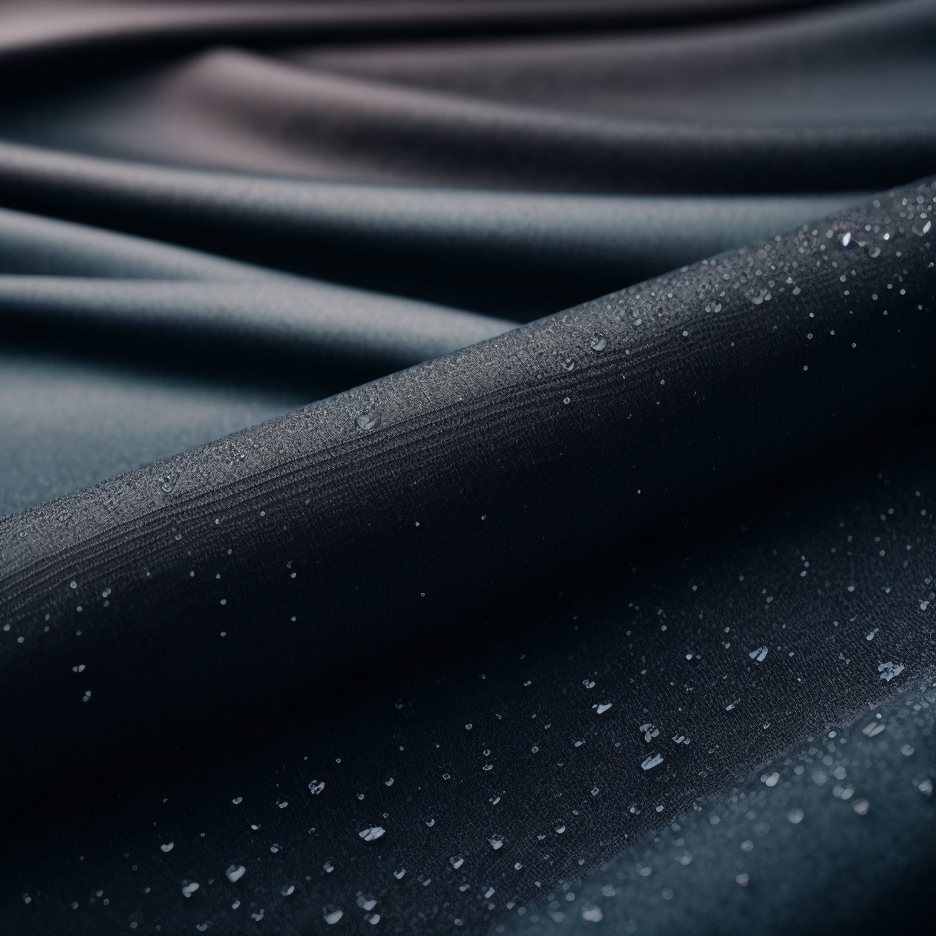
The Science of Waterproofing
Waterproofing agents like FS-75 work by creating a hydrophobic layer on the fabric surface. This layer repels water molecules while allowing air to pass through, maintaining the fabric's breathability. The science behind these products ensures effective water resistance while preserving the fabric’s natural feel and breathability.
<


Cleaning Outdoor Gear with AT-55
For routine cleaning, AT-55 Awning & Tent Cleaner is an ideal choice. Its gentle yet effective formula removes dirt, stains, and mildew without damaging the fabric. Mix with water, apply using a brush or sponge, and rinse thoroughly.
Tackling Tough Stains and Mold
For persistent mold or algae, AM-100 Algae & Mould Remover is your go-to product. Apply it post-cleaning with AT-55 for targeted action on stubborn areas, ensuring a deep clean and hygiene.
Reproofing with FS-75 Fabric Sealer
Post-cleaning, reproofing outdoor fabrics is crucial. FS-75 Fabric Sealer restores water-repellent properties and protects against future soiling and weather damage, essential for maintaining the fabric’s functionality and appearance.
FAQs on Outdoor Fabric Care
- How often should outdoor fabrics be cleaned? Clean at least once per season or more frequently if heavily soiled.
- Is reproofing necessary after every clean? Reproofing after thorough cleaning is recommended to maintain the fabric’s protective qualities.
With these care guidelines, your outdoor gear will continue to provide comfort and protection on all your adventures. Regular maintenance, coupled with the right cleaning and protective products, ensures your gear remains in top condition for years to come.


