

I am a returning customer
If you already have an account with us, please login at the login form.
Congratulations! Your new account has been successfully created!
You can now take advantage of member privileges to enhance your online shopping experience with us.
If you have ANY questions about the operation of this online shop, please e-mail the store owner.
A confirmation has been sent to the provided e-mail address. If you have not received it within the hour, please contact us.
You have been logged off your account. It is now safe to leave the computer.
Your shopping cart has been saved, the items inside it will be restored whenever you log back into your account.
High-Traffic Area Cleaning: How to Disinfect Safely and Effectively
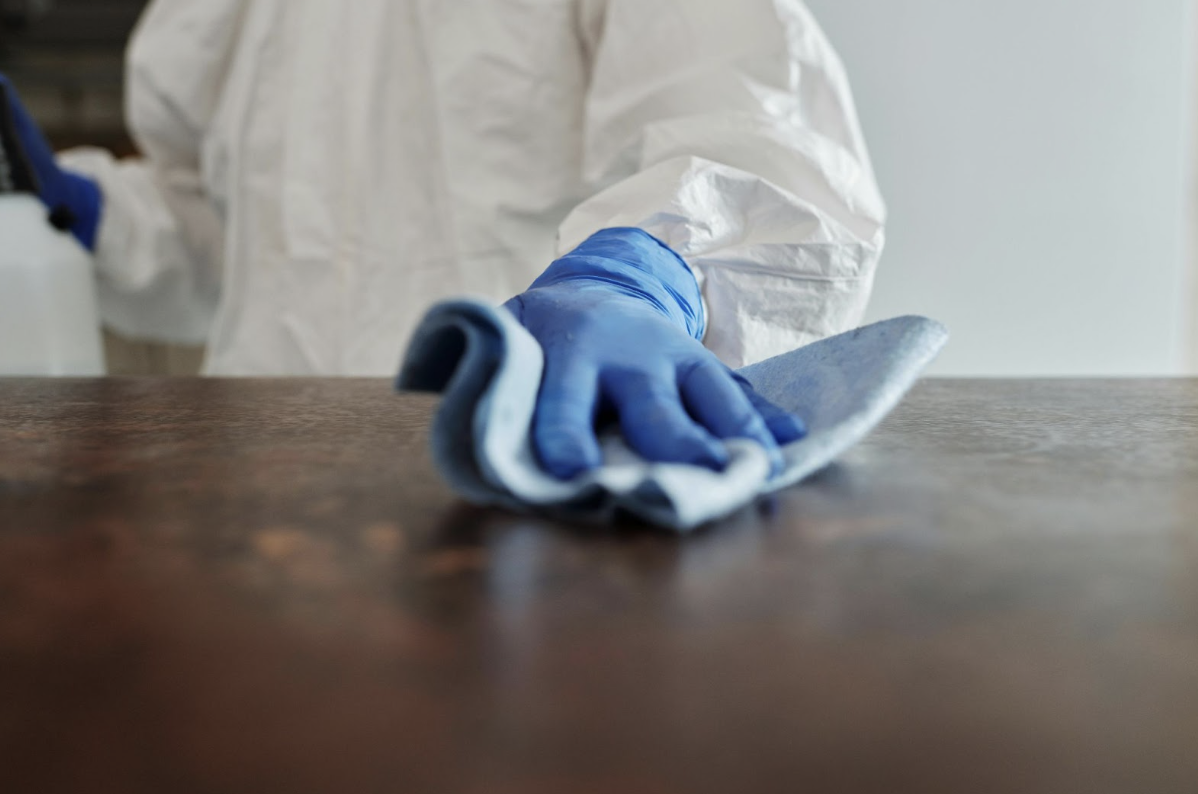
Winter is here, and with it comes flu season! For offices, schools, and public spaces, this means that health and safety practices should once again take centre stage. Lobby counters, kitchen stations, washrooms, and other high-touch areas will quickly become hotspots for bacteria and viruses. The time to tackle them is now.
Knowing how to deal with harmful microbes and how to apply virucidal disinfectants up to the standard for effective public space cleaning is the way to a cleaner, safer space for staff and visitors alike.
And here’s how to do it professionally and effectively:
Understand the Ins and Outs of Disinfection Protocols
The first step to any professional and effective cleaning is identifying which are the high-traffic and high-risk zones in your public space. Usually, the most common suspects are door handles, elevator buttons, handrails, and countertops. These are where harmful microbes thrive. Kitchen areas, grills, stoves, ventilation hoods, and prep surfaces are also particularly susceptible to grease accumulation, harbouring bacteria and creating fire hazards if not properly tackled.
After you've assessed the situation, it's time to gather the right cleaning agents. They should be virucidal, safe for frequent use, and compatible with the materials being cleaned, so you don't damage them.
Finally, before you start cleaning, make sure you use personal protective equipment, you work from clean to dirty areas, and avoid mixing chemicals like bleach with other detergents.
Always remember to follow the specific instructions on the label and ventilate the space you work in to avoid inhaling harmful fumes.
Disinfection Steps For High-Traffic Area Cleaning
- Always pre-clean and remove visible dirt and grease from surfaces, as these can reduce the effectiveness of disinfectants.
- Then, wash the area with water and detergent and rinse thoroughly to remove soap and residue.
- Allow the area to dry completely before applying the disinfectant.
- Apply the product according to its recommended dilution ratios and contact times. For best results, follow these thoroughly and ensure that the product stays on the surface for the specified time.
- Finally, rinse the item and area thoroughly and allow it to dry.
Documentation
In medical and other settings, you need to maintain documentation to ensure compliance and consistent results. Keep detailed records of cleaning schedules, products used, and staff training and review them regularly. Accountability is what stands behind hygiene standards, but also allows procedures to be updated for maximum effect.
Virucidal Product Guidance
Virucidal Disinfectants are cleaning agents that janitors and other health and safety professionals use for public space cleaning to kill or inactivate viruses. General disinfectants target bacteria and fungi, but virucidal products are proven to reduce virus infectivity, which makes them extremely important to use during the flu season.
These products are designed for professional and industrial use and must comply with strict standards like the European Test Standard. For example, HLS Supplies’ Prochem Microsan D500-05 5L – Virucidal & Bactericidal Hard Surface Cleaner is formulated for hard surfaces, floors, carpets, and upholstery. It effectively combats bacteria such as E. coli, MRSA, Listeria, and Salmonella, as well as viruses including HIV, Hepatitis, Measles, and others.
However, with such products, it is essential to follow some instructions for safety and efficacy:
- Always read the instructions regarding contact time, surface type, and virus targets.
- Make sure you use products for virucidal claims approved by the European Test Standard or the Environmental Protection Agency (EPA) Standard.
- Recognise whether you need a product for hard or soft surfaces. Using the wrong one may damage surfaces and textiles.
- When it comes to viruses, contact time is crucial, so make sure you follow the contact time instructions to the T.
- Finally, always use the correct concentration of the active ingredient as specified on the label.
Degreaser: Your Health and Safety in the Kitchen
If you're dealing with a kitchen in a restaurant, school, or an office break room, you should recognise these as high-risk zones. Why? Because of grease. It can build up on grills, stoves, ovens, ventilation hoods, and prep surfaces, turning them into a haven for bacteria and a serious fire hazard. Yes, accumulated grease can ignite, putting staff and visitors in danger.
Regular maintenance with professional degreasers can save many headaches and lives. These products break down fats and oils for optimum kitchen hygiene and safety.
Degreasing Best Practices
- Identify All Greasy Zones: Grills, ovens, fryer areas, exhaust hoods, and any other spot that's prone to accumulating oil.
- Pre-Clean Surfaces: Remove the loose debris before applying a degreaser, so it can penetrate the grease effectively.
- Apply Safely: Use personal protective equipment and follow the label for dilution and contact time instructions.
- Rinse Thoroughly: After cleaning, rinse the surface to remove residue and prevent chemical buildup.
Cleaning Staff Training & Record-Keeping
You may have all the right products, but high-traffic areas will remain a risk without a well-trained staff, thorough documentation, and accountability.
Prioritise teaching employees to identify high-traffic areas and grease-prone zones and to understand the correct dilution and application (according to the products’ labels). And reinforce the proper cleaning sequence: degrease, rinse, and disinfect, and you'll ensure that hygiene and safety reign supreme.
In terms of records, aim to maintain logs with dates and times of learning, recording which products were used and at what dilution. Include staff initials for consistent adherence to protocols.
Finally, you should make it a regular practice. Review protocols and adjust if needed to ensure the utmost effectiveness and responsiveness to changing conditions—and conditions do tend to change.
Check records and verify cleanliness weekly. Inspect treated areas regularly to ensure no residue remains and confirm that products are always applied correctly. Always observe to refine schedules and modify procedures whenever needed.
Always Safe & Hygienic High-Traffic Areas
Invest in proper products, procedures, and training, and you'll always be ready to create a clean, safe, welcoming, and stress-free environment for everyone who uses it. Anywhere.
And if you have any questions or concerns, don't hesitate to contact our team. With HLS Supplies by your side, you can be sure to provide hygiene and safety you—and your visitors—can see and trust.